


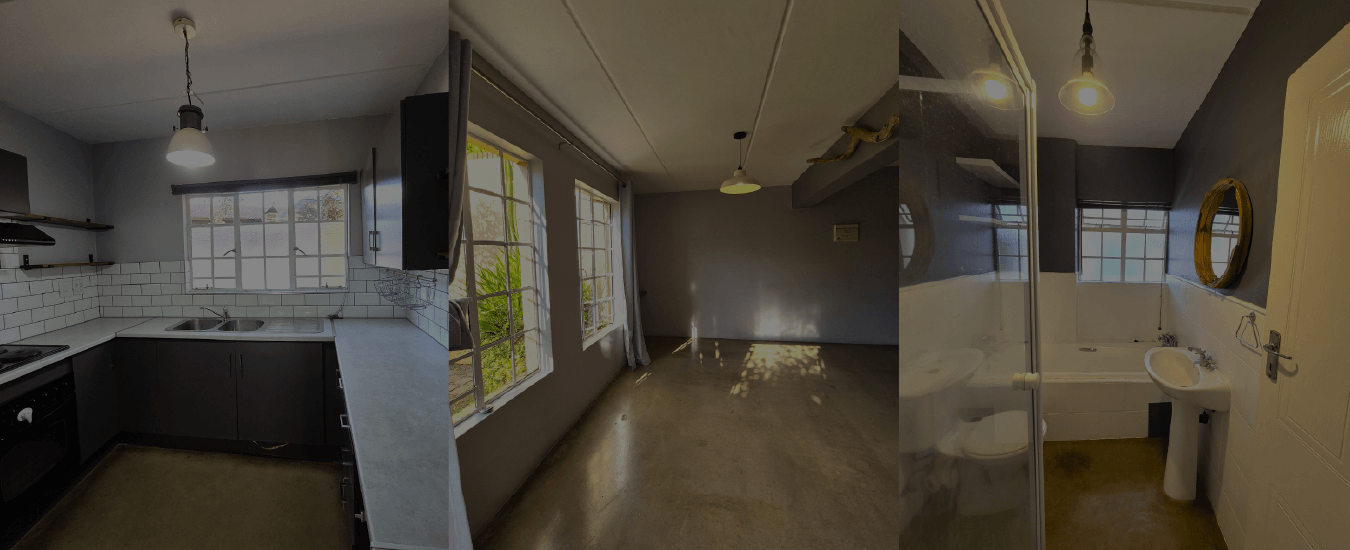
A SMART, SCALABLE APPROACH TO CASH FLOW PROPERTY INVESTING
In today’s property market, the investors who are winning are not always the ones buying the most properties. They are the ones extracting the most value from each property they own.
That is exactly where the multi-let strategy comes in.
At its core, a multi-let is a property that has been intentionally configured to generate multiple rental income streams from a single title deed. While many people immediately think of room rentals, the concept is broader than that.
A multi-let can take the form of individual room rentals where tenants share certain facilities. It can also take the form of multiple smaller private living spaces within one property, where tenants have more independence and limited shared areas such as parking or a garden.
Both approaches are valid. Both can be highly profitable. And both have their place depending on the location, target market, and strategy of the investor.
The key is not which model you choose.
The key is how well you execute it.
View our YouTube video Interview with Albert van Wyk, How to Build a Multi-Let Property Portfolio
Why Multi-Lets Work
The appeal of multi-lets is simple.
One property.
Multiple incomes.
Instead of relying on a single tenant and a single rental payment, you create several income streams from the same asset. This can significantly increase your cash flow and improve your overall return on investment.
In many cases, the combined rental from multiple occupants exceeds what a traditional single tenant would pay for the same property. This creates a powerful opportunity to enhance yield without necessarily increasing your portfolio size.
But the real strength of the strategy goes beyond numbers.
It lies in meeting a very real and growing demand in the market.
Across South Africa, there is a large segment of tenants who are looking for well located, affordable accommodation that still offers quality and comfort. Young professionals, graduates, and individuals relocating for work are all part of this market.
Multi-lets, when done correctly, meet that need perfectly.
Two Models, One Strategy
There are two main ways investors typically approach multi-lets.
The first is the room rental model. In this setup, tenants rent individual bedrooms and share common areas such as kitchens, bathrooms, or lounges. This model works particularly well in student markets and in areas where affordability is the primary driver.
The second approach focuses on creating more private living spaces within a single property. These may include separate entrances or more defined personal areas, with minimal shared spaces.
Both models are effective.
Both can produce excellent returns.
The choice between them depends on your location, your target tenant, and the type of product you want to offer.
What remains constant is the principle behind them.
You are not just renting out space.
You are creating a living environment that people choose.
Design Is Everything
One of the biggest factors that determines the success of a multi-let is how the property is designed and laid out.
It is easy to assume that more rooms automatically mean more income. In reality, poor design can reduce demand, increase tenant turnover, and create management challenges.
The goal is not to maximise the number of occupants at all costs.
The goal is to optimise the space.
This means:
- Ensuring rooms are functional and comfortable
- Maintaining good flow throughout the property
- Providing sufficient bathrooms for the number of tenants
- Designing spaces that feel natural rather than forced
This is where experience becomes invaluable.
Michael Rehder from Advanced Design and Maintenance has been instrumental in refining this approach across many projects. His focus is not just on creating additional spaces, but on ensuring that those spaces work.
A well-executed conversion might involve rethinking underutilised areas such as oversized lounges or patios, and transforming them into usable rental spaces while still maintaining balance within the property.
The difference lies in the detail.
A space must feel right the moment a tenant walks in.
View our YouTube video Interview with Michael Rehder, Multi-Let Setup Secrets
The Shift to Fully Furnished Living
One of the most important breakthroughs in multi-let investing is understanding the role of furnishing.
In the early stages, many investors believe that providing the basics is enough. A fridge, a microwave, and a kettle may seem sufficient.
But real experience tells a different story.
Tenants often arrive without furniture.
They need beds.
They need desks.
They need a space that is ready to live in.
Over time, it becomes clear that the most successful multi-lets offer a complete, move in ready solution.
This typically includes:
- A bed and quality mattress
- A desk and chair for work or study
- Curtains and soft finishes
- Basic kitchen items
- A clean, cohesive look and feel
Something as simple as a desk can determine whether a tenant chooses your property or not. These details matter more than most investors realise.
Quality Over Cheap
One of the most expensive lessons in this space is that cheap is rarely cost effective.
Buying the lowest priced furniture or second hand appliances may reduce upfront costs, but it often leads to higher maintenance, quicker replacements, and ongoing frustration.
Many investors have experienced this firsthand. Cheap beds fail. Second hand fridges break. Repairs become frequent.
The smarter approach is to focus on value.
Invest in durable, reliable items. Build relationships with suppliers. Source quality products at the right price.
A multi-let is not just a property.
It is an operating business.
And like any business, the quality of your assets directly impacts your performance.
Creating an Experience Tenants Want
Beyond layout and furniture, there is a deeper layer that separates average properties from exceptional ones.
Tenant experience.
People want to live in spaces that feel good. They want comfort, functionality, and a sense of pride in where they stay.
Lighting plays a major role in this. Natural light is essential wherever possible. Artificial lighting should support both productivity and relaxation.
Decor also matters. It does not need to be expensive, but it must be intentional. The most effective approach is to keep permanent elements neutral and timeless, while using decor to add personality and style.
This allows you to keep your property relevant without constantly reinvesting in major renovations.
Common Mistakes to Avoid
While the multi-let strategy is powerful, it requires careful execution.
Some of the most common mistakes include:
- Trying to fit too many tenants into one space
- Ignoring compliance and building regulations
- Attempting complex renovations without professional input
- Focusing only on upfront cost instead of long term value
- Failing to plan for scalability
Avoiding these mistakes can make the difference between a high performing asset and a problematic one.
A Strategy Built for Growth
One of the most exciting aspects of multi-lets is that they can be replicated.
Once you understand what works, you can apply the same principles across multiple properties. This creates consistency in performance and allows you to scale your portfolio more effectively.
But scaling requires planning.
Your structuring, financing, and operational systems must be designed to support growth. Without that foundation, even the best strategy becomes difficult to expand.
Final Thoughts
Multi-lets are not just a tactic. They represent a shift in how investors think about property.
They move the focus from ownership to optimisation.
From single income to multiple income streams.
From basic accommodation to intentional living spaces.
Whether you choose a room rental model or a more private configuration, the opportunity remains the same.
To take one property
And turn it into something far greater.
When done well, a multi-let is more than an investment.
It is a system.
A strategy.
And a powerful tool for building long term wealth.
Read the entire article in the April 2026 Edition of Real Estate Investor Magazine.